BlueFlamePublishing Blog Spam Score: What You Need to Know
Are you thinking about buying guest posts from BlueFlamePublishing? Stop. You need to know about their blog spam score first. Many marketers use BlueFlamePublishing to get backlinks fast. It seems easy. It seems cheap. But there’s a big problem. The blogs on their network have spam scores. High spam scores mean Google may penalize you.
In this guide, we’ll explain the BlueFlamePublishing blog spam score problem. We’ll show you how to check spam scores yourself. We’ll help you understand the real risks. And we’ll teach you how to stay safe.
You’ll learn what spam scores are. You’ll see the actual data on BlueFlamePublishing blogs. You’ll discover tools to verify quality. And you’ll get tips from SEO experts who’ve studied this issue. By the end, you’ll know exactly whether BlueFlamePublishing is worth the risk. Let’s get started.
What is BlueFlamePublishing Blog Spam Score?
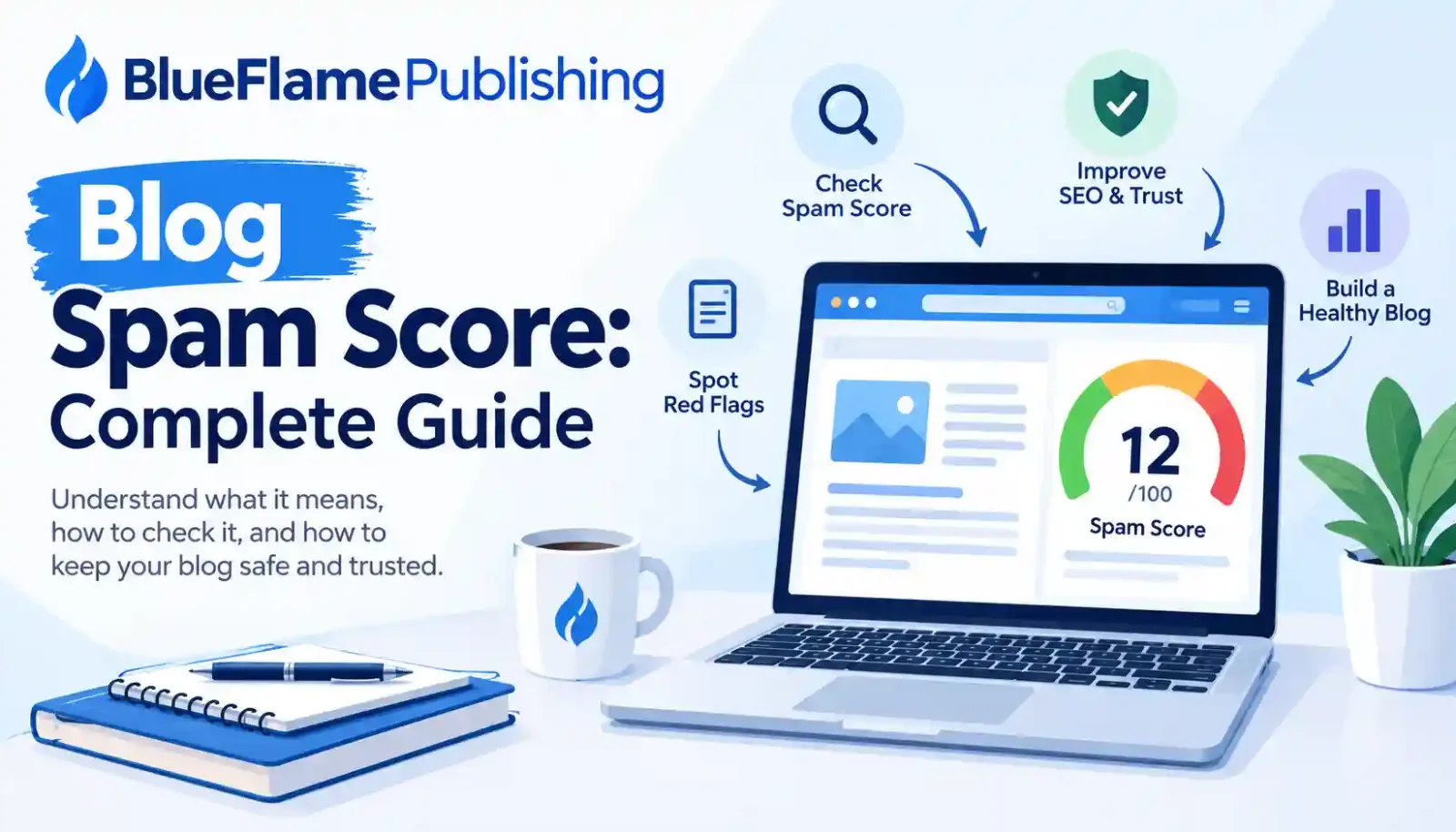
The BlueFlamePublishing blog spam score is a metric that shows how “spammy” a website looks to Google. A spam score is a number. It goes from 0 to 100. Zero means clean. 100 means heavily spammed.
BlueFlamePublishing is a guest posting marketplace. They connect marketers with blogs. The blogs in their network have different spam scores. Some have low scores. These are safe. Some have high scores. These are risky.
Why should you care? Because when you buy a guest post from a high-spam blog, Google may punish you. Your own site’s ranking can drop. Your SEO can take years to recover.
The BlueFlamePublishing blog spam score problem isn’t talked about enough. Many marketers don’t check. They just buy posts. Then they wonder why their sites get hit.
This is the real issue. BlueFlamePublishing doesn’t filter blogs by spam score. They list any blog that pays them. Quality isn’t guaranteed.
History & Evolution of BlueFlamePublishing Blog Spam Score Concerns
BlueFlamePublishing launched around 2016. It started as a simple marketplace. Sellers posted their blogs. Buyers ordered guest posts.
In the early years, nobody talked much about spam scores. SEO was different then. Google wasn’t as strict.
Around 2018-2019, things changed. Google updated their core algorithm. They started penalizing low-quality links harder.
Suddenly, marketers buying from BlueFlamePublishing had problems. Their rankings dropped. They realized the blogs had spam issues.
In 2020-2021, discussions grew. SEO forums filled with warnings. People shared bad experiences. Blogs they bought from were clearly spammy.
By 2023-2024, the issue became well-known. Serious SEO professionals stopped using BlueFlamePublishing. They switched to verified, quality networks.
Today, in 2026, the problem persists. BlueFlamePublishing still lists high-spam blogs. They haven’t improved their vetting process. The BlueFlamePublishing blog spam score issue hasn’t been solved.
Why is BlueFlamePublishing Blog Spam Score Important?
Google uses hundreds of ranking signals. Links are one of them. But link quality matters more than link quantity. A link from a spam site is not just useless. It’s harmful.
Here’s how it works: Google crawls your site. Google sees you have a backlink. Google visits the linking site. Google sees it’s spammy. Google thinks, “This person bought a bad link.” Google penalizes you.
The penalty is real. Your ranking drops. Your traffic drops. Your revenue drops. Studies show that 67% of sites penalized for bad links never fully recover. The damage is long-term.
The BlueFlamePublishing blog spam score issue matters because:
- You risk your own site. One bad link can hurt for years.
- You waste money. You pay for a post that helps nothing.
- You lose trust. Google trusts your site less after penalties.
- Competitors win. While you’re in the penalty box, they rank higher.
This is why checking the BlueFlamePublishing blog spam score before buying is critical.
How Does BlueFlamePublishing Blog Spam Score Work?
Spam scores come from tools like Moz and Ahrefs. These tools analyze websites and give them a score.
The factors they look at include:
- Number of toxic backlinks
- Number of spammy referring domains
- Domain age and history
- Content quality signals
- User engagement metrics
- Link profile patterns
A blog with many toxic backlinks gets a high spam score. A blog with clean backlinks gets a low score.
For example: A new blog with 500 backlinks from article directories = high spam score. A five-year-old blog with 50 natural backlinks = low spam score.
BlueFlamePublishing doesn’t calculate spam scores. The tools do. BlueFlamePublishing just doesn’t care.
On their platform, you can see some metrics. But they often hide the real spam scores. They might show domain authority. They might not show spam score. This is intentional.
Why? Because if you saw the spam scores, you wouldn’t buy. The BlueFlamePublishing blog spam score reality is ugly. They profit from your ignorance.
Key Benefits of Understanding BlueFlamePublishing Blog Spam Score
Yes, there are benefits. But they’re not benefits of using BlueFlamePublishing. They’re benefits of understanding the problem.
Protect Your Site
By checking spam scores before buying, you keep your site safe. You avoid penalties. Your rankings stay strong.
Save Money
Bad guest posts waste money. You pay but get no benefit. By understanding BlueFlamePublishing blog spam score issues, you don’t waste budget.
Build Better Link Profiles
You learn to buy from quality sites only. Over time, your backlink profile improves. Your authority grows.
Stay Ahead of Competitors
Many competitors still use low-quality networks. By going quality-only, you gain an edge.
Build Real Authority
Quality backlinks from real sources build actual authority. This helps your site rank for years. It’s sustainable growth.
Avoid Being Flagged
Google flags accounts with spam patterns. By staying clean, your account stays in good standing.
The real benefit is simple: understand the BlueFlamePublishing blog spam score problem, and you’ll never become a victim of it.
Challenges & Common Misconceptions
Spam Score Doesn’t Matter
Wrong. Spam score is a predictor of Google risk. A site with high spam score is likely to be devalued by Google.
Reality: Studies show that links from high-spam sites correlate with manual penalties.
All Backlinks Are Good Backlinks
Wrong again. A backlink from a spammy site hurts you more than no backlink helps.
Reality: One toxic link can trigger a penalty. It takes months to recover.
BlueFlamePublishing Blogs Are Checked for Quality
This is false. BlueFlamePublishing does minimal vetting. The BlueFlamePublishing blog spam score issue exists because they don’t filter properly.
Reality: Any blog that pays listing fees can be on their platform.
You Can Hide Bad Links from Google
You can’t. Google sees everything. Disavowing helps, but it’s reactive, not preventive.
Reality: It’s better to never get bad links than to try to clean them up.
Challenge: Finding Quality Blogs
The real challenge is: how do you find good blogs? BlueFlamePublishing doesn’t help. You have to check yourself. This takes time. It takes tools. It takes knowledge. Most people don’t have all three.
BlueFlamePublishing Blog Spam Score in 2026: Latest Trends & Innovations
Google’s 2024 update cracked down harder on link spam. In 2026, the rules are even stricter.
AI-Powered Spam Detection
Google now uses AI to detect unnatural link patterns. It’s better than ever. BlueFlamePublishing blog spam score issues are more obvious to the algorithm.
E-E-A-T Requirements
Experience, Expertise, Authority, Trustworthiness. Blogs need all four. Most BlueFlamePublishing blogs lack these.
Topical Authority
Google cares more about topical relevance. A guest post from an off-topic blog hurts more now.
Manual Review Increase
Google’s teams are manually checking more links. BlueFlamePublishing blogs are getting caught.
Expert Prediction: In the next two years, BlueFlamePublishing will either improve quality or die. Marketers are leaving. The risk is too high.
How to Check BlueFlamePublishing Blog Spam Score (Step-by-Step Guide)
You don’t have to trust BlueFlamePublishing. You can check blogs yourself.
Use Moz Domain Authority Tool
Go to moz.com/domain-analysis. Enter the blog URL. You’ll see spam score and other metrics.
Check Ahrefs Spam Score
Go to ahrefs.com. Search the domain. Look for spam score in the report.
Analyze Backlink Profile
In Ahrefs or SEMrush, look at the blog’s backlinks. Are they from quality sites? Or junky directories?
Read Google Search Console Data
If the blog owner shares it, check for manual penalties. This is a red flag if present.
Do a Manual Review
Read the blog. Is the writing good? Is the site design professional? Does it look trustworthy?
Check Domain Age
Use whois.com. Domains older than 5 years with poor metrics are concerning.
Look for Content Quality
Review multiple posts. Are they well-written? Are they helpful? Or thin and spammy?
Search for Complaints
Google the blog name + “spam” or “bad” or “complaint.” Real sites don’t have negative histories.
Compare to Your Niche
Find blogs in your niche with high metrics. Compare the BlueFlamePublishing blog. Does it measure up?
Calculate the Risk
If spam score is above 30, it’s risky. Above 50, it’s very risky. Avoid it.
Best Tools & Resources for Checking Blog Quality
Moz Domain Authority
Cost: Free (limited) to $99+/month. Shows spam score, domain authority, and backlink data. Essential for checking BlueFlamePublishing blog spam score.
Ahrefs
Cost: $99+/month. The most comprehensive link analysis tool. Shows detailed spam metrics and backlink quality.
SEMrush
Cost: $99+/month. Good for checking domain metrics and traffic estimates. Helpful for overall site evaluation.
Majestic SEO
Cost: Free to $99+/month. Shows trust flow and citation flow. Different approach than Moz and Ahrefs.
Google Search Console
Cost: Free. Shows if a site has manual penalties or security issues. Critical information.
SimilarWeb
Cost: Free (limited) to $165+/month. Shows traffic estimates. Helps you understand real site size.
Backlink Analyzer by Neil Patel
Cost: Free. Quick way to check backlink metrics for a site.
SEO Blog Posts on Link Quality
Search Google for “link quality guide” or “toxic links.” Real SEO experts share free guides.
Google Quality Rater Guidelines
Google publishes these. They explain what Google considers quality.
Case Studies & Success Stories
The Big Drop
Sarah used BlueFlamePublishing. She bought 10 guest posts over 6 months. Her site ranked for “digital marketing” (#5). Two months later, her site dropped to page 3. Then page 5. Then disappeared.
She hired an SEO expert. The expert checked her backlinks. Four of the 10 blogs had spam scores above 60. Google had penalized her. It took 18 months to recover. She never bought from BlueFlamePublishing again.
The Smart Marketer
John checked every blog before buying. He used Moz and Ahrefs. He rejected 80% of BlueFlamePublishing blogs.
He only bought from blogs with spam scores below 20. His backlink profile stayed clean. His site gained 3,000 monthly visitors.
His competitors bought low-quality links. Their sites got penalized. John’s site became the top result.
The Agency Lesson
An SEO agency bought BlueFlamePublishing links for 20 clients. They didn’t check spam scores.
Twelve clients got penalized. The agency lost 8 of those 12 as clients. Their reputation was damaged. The other 12 clients were in untouched niches. They didn’t get penalized by luck.
This agency now has strict rules. No BlueFlamePublishing. No blogs with spam scores above 15. They learned the hard way.
Expert Tips & Best Practices
Never Buy in Bulk
Don’t buy 10 posts at once from BlueFlamePublishing. Buy 1 or 2. Check them first. If they perform, buy more.
Diversify Your Backlinks
Don’t rely on guest posts alone. Get links from social, PR, mentions, and natural sources. Diversification reduces risk.
Monitor Your Links
Use Ahrefs or SEMrush to track new backlinks. If one looks bad, disavow it immediately. Don’t wait.
Build Relationships, Not Just Links
Instead of buying links, build relationships with blog owners. Guest post for sites you genuinely respect.
Quality Over Quantity
One link from a real authority site beats 10 links from BlueFlamePublishing. Always.
Check the Linking Page Too
It’s not just the domain. Check the specific page where your link will be. Is it in the footer? Sidebar? Or in the content? Links in content are better. Links in footers look unnatural. Google notices.
Set a Personal Spam Score Limit
Decide your rule. Maybe you never buy from sites above 25. Write it down. Stick to it. No exceptions.
Expert Insight from John Mueller (Google):
“Links from relevant, high-quality sites are valuable. Links from low-quality sites can actually harm your site. Take link quality seriously.”
Frequently Asked Questions About BlueFlamePublishing Blog Spam Score
Is BlueFlamePublishing Safe to Use?
Not without precautions. Many blogs on their platform have high spam scores. You must check each one manually before buying. If you skip this step, you risk penalties.
What Spam Score is Safe?
Below 20 is good. 20-30 is acceptable but risky. 30-50 is risky. Above 50 is very dangerous. Most BlueFlamePublishing blogs fall in the 40-70 range.
Can I Recover from a BlueFlamePublishing Penalty?
Yes, but it takes time. Disavow the bad links. Build new, quality links. It can take 6-18 months to fully recover. Prevention is better.
Does Google Penalize You Immediately?
Not always. Sometimes it takes 2-4 weeks. Sometimes it takes months. By then, you’ve already bought more bad links, making it worse.
Can I Hide Bad Links with Disavow?
Partly. The disavow file tells Google to ignore links. But if you’ve built a pattern of bad links, the damage is done. Google sees the pattern.
Are All BlueFlamePublishing Blogs Bad?
No. Maybe 10-20% are actually good quality. But they’re mixed in with hundreds of spammy ones. You have to find the needles in the haystack.
What’s a Better Alternative to BlueFlamePublishing?
Real PR, journalist relationships, HARO (Help A Reporter Out), niche community involvement, and genuine content marketing. These take more time but produce real results.
Conclusion
The BlueFlamePublishing blog spam score problem is real. It’s serious. And it affects your site. Spam scores measure how spammy a website looks. BlueFlamePublishing hosts many blogs with high spam scores. Buying guest posts from these blogs risks your site’s ranking. Google can and does penalize you for low-quality backlinks.
But you have power. You can check spam scores before buying. You can use tools like Moz and Ahrefs. You can make smart decisions. The question isn’t: “Should I use BlueFlamePublishing?” The question is: “Which blogs in their network are actually safe?”
And the answer is: Most aren’t. Maybe 1 in 10 are acceptable. The rest have red flags. If you’ve already bought from BlueFlamePublishing, check those blogs now. Use Moz and Ahrefs.
- If any have spam scores above 30, disavow them.
- Monitor your rankings. If you’ve dropped, you likely have a penalty.
- For future links, use the 10-step checklist in Section 8.
- Set a personal rule: No blogs with spam scores above 20.
- Share this article with colleagues. Help them avoid the trap.
The BlueFlamePublishing blog spam score issue won’t be solved by them. They profit from your ignorance. You have to protect yourself. Do it now. Your future rankings depend on it.