The Blog BlueFlamePublishing: A Guide to Blog Content, Publishing, and Online Growth
The Blog BlueFlamePublishing is a topic for readers who want to understand blog publishing, discover useful online content, and learn how blogs can support digital growth. Whether you are a new blogger, a content creator, a business owner, or someone exploring guest posting, understanding how a blog works can help you make better publishing decisions.
A successful blog is more than a collection of articles. It gives readers useful information, answers their questions, builds trust, and helps a website reach the right audience through search engines and other online channels.
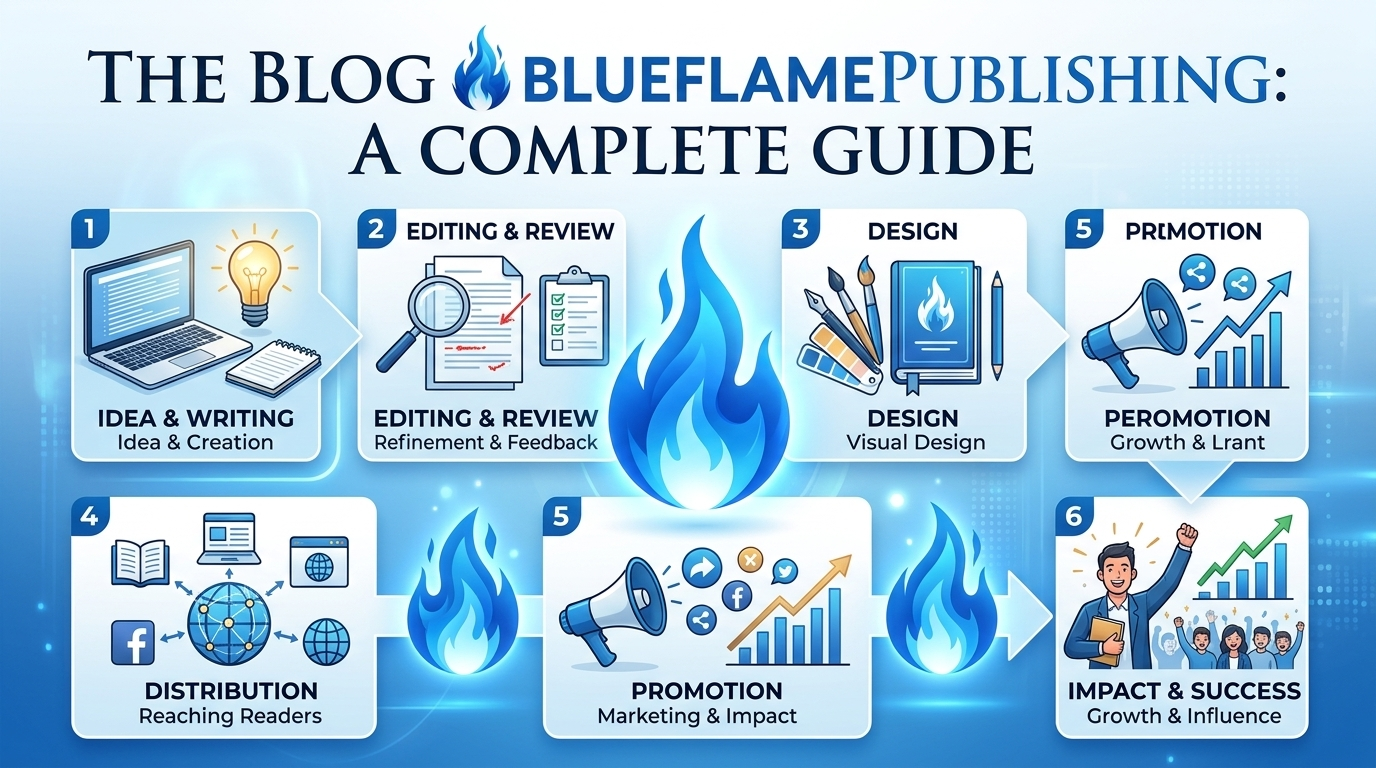
In this guide, we explain what The Blog BlueFlamePublishing means, what readers should look for in a publishing platform, how to create useful blog content, and how businesses and writers can approach blogging strategically.
Note: This article is an informational guide to the topic. Specific features, editorial policies, publishing prices, and services offered by BlueFlamePublishing should be confirmed through its official website.
What Is The Blog BlueFlamePublishing?
The phrase The Blog BlueFlamePublishing refers to the BlueFlamePublishing blog topic and its associated online publishing content. Readers searching for this term may want to find the blog, understand its purpose, explore its articles, or learn about publishing opportunities.
Blogs can cover a wide range of subjects, including:
-
Artificial intelligence and emerging technology
-
Blogging and content creation
-
Digital marketing and SEO
-
Online business and entrepreneurship
-
Software, applications, and productivity
-
Guest posting and website publishing
The exact subjects and services available on a particular website depend on its published content and current offerings.
For readers, a useful blog provides relevant, easy-to-understand information. For writers and businesses, it can provide a way to share expertise, reach a specific audience, and develop an online presence.
Why Are Blogs Important in Digital Publishing?
Blogging remains a practical way to organise information and communicate with an online audience. A well-maintained blog can support several goals.
1. Sharing Useful Information
Readers often search online for answers to specific questions. Blog articles can explain complicated subjects in simple language, provide step-by-step instructions, and help readers compare different options.
For example, an article about starting a blog might explain domain registration, hosting, content planning, and basic SEO.
2. Building an Online Presence
Publishing helpful content gives a website more opportunities to appear for relevant search queries. However, publishing an article does not guarantee that it will rank in search results. Content quality, competition, technical SEO, and relevance all matter.
3. Supporting Business Growth
Businesses can use blogs to explain their services, demonstrate expertise, answer customer questions, and attract potential customers.
A digital marketing company, for example, might publish guides about keyword research, website optimisation, content strategy, and online advertising.
4. Creating Opportunities for Writers
Blogs can help writers develop a portfolio, practise different writing styles, and reach audiences interested in their subjects.
Guest posting may also provide an opportunity to contribute to another website, provided the publication accepts external submissions and the content meets its editorial requirements.
What Types of Content Can You Find on a Publishing Blog?
A blog can serve different reader needs depending on its niche and editorial direction. The following content types are useful for readers, bloggers, and digital businesses.

These articles explain AI tools, software, emerging technology, and practical digital solutions. They work best when they include clear examples and realistic use cases.

Guides about choosing topics, writing articles, organising content, and improving readability can help beginners develop their publishing skills.

This category can cover keyword research, on-page SEO, content promotion, link building, and methods for understanding website performance.

Business-focused articles can help readers explore online business ideas, content marketing, customer communication, and digital growth strategies.
These are examples of common blog categories, not a verified list of categories currently published by BlueFlamePublishing.
How to Find and Explore The Blog BlueFlamePublishing
If you want to explore The Blog BlueFlamePublishing, start with the website’s official pages and available navigation.
Step 1: Visit the Website
Open BlueFlamePublishing.online and look for its blog, articles, or publishing sections.
Browse Relevant Topics
Choose topics related to your interests, such as AI, blogging, SEO, digital marketing, or online business. Read the article headings and introductions to determine whether the content answers your question.
Check the Quality of Each Article
Before relying on a blog post, consider whether it:
-
Answers the main question clearly
-
Uses accurate and relevant information
-
Provides practical examples
-
Separates facts from opinions
-
Includes useful links where appropriate
-
Has a clear publication or update date when freshness matters
Explore Publishing Opportunities
If you are a writer, blogger, or business owner interested in contributing content, check whether the website offers guest posting or submission guidelines.
Review the requirements before preparing an article. Do not assume that every blog accepts guest posts or guarantees publication.
How to Write a High-Quality Blog Post for SEO
Whether you publish on your own website or contribute to an external publication, useful content should come before keyword placement.
1. Understand Search Intent
Search intent is the reason someone enters a query into a search engine.
A person searching for “how to start a blog” probably wants instructions. Someone searching for a specific blog’s name may want its official website, articles, or publishing information.
Your article should address that need directly.
2. Choose a Relevant Primary Keyword
Select a primary keyword that accurately reflects the subject.
For an article targeting The Blog BlueFlamePublishing, use the phrase naturally in the title, introduction, a relevant heading, and the conclusion where appropriate.
Related phrases may include:
-
BlueFlamePublishing blog
-
Blog BlueFlamePublishing posts
-
BlueFlamePublishing publishing guide
-
Blog publishing and SEO
-
Guest posting and content marketing
These terms should appear only where they make sense. Repeating them excessively can make an article difficult to read.
3. Create a Clear Structure
Organise the article with a descriptive H1, logical H2 headings, and H3 subheadings when needed.
Short paragraphs, numbered steps, bullet points, and comparison tables can help readers find information quickly.
For example, a beginner’s blogging guide might include sections on selecting a niche, setting up a website, creating content, and measuring results.
4. Provide Original and Useful Information
Avoid rewriting other websites without adding value. Explain concepts in your own words, use relevant examples, and include practical advice that helps readers take the next step.
If you make claims about a product or publishing service, verify them before publication.
5. Optimise the Basic SEO Elements
Pay attention to the following elements:
| SEO element | Recommended approach |
|---|---|
| SEO title | Describe the topic clearly and naturally |
| Meta description | Summarise the article’s value |
| URL slug | Keep it short and descriptive |
| Headings | Use a logical information hierarchy |
| Internal links | Link to relevant pages on the same website |
| External links | Cite trustworthy sources where useful |
| Images | Use relevant, properly licensed visuals |
| Mobile readability | Make the content easy to read on smaller screens |
Good SEO supports discoverability, but it cannot guarantee rankings or traffic.
What Is Guest Posting, and How Does It Relate to Blogging?
Guest posting is the practice of contributing an article to a website other than your own. It can help writers reach new readers and help publishers introduce relevant perspectives to their audiences.
For businesses, guest posting may form part of a broader content marketing strategy.
Potential Benefits of Guest Posting
-
Audience exposure: Your article may reach readers who have not encountered your brand before.
-
Professional credibility: Useful contributions can demonstrate knowledge of a subject.
-
Referral traffic: Readers may visit your website through a relevant author link.
-
Industry relationships: Working with editors and publishers can build professional connections.
-
Content distribution: An external publication offers another channel for sharing expertise.
Results depend on the publication’s audience, editorial quality, content relevance, and promotion.
What to Check Before Paying for a Guest Post
If you are considering a paid publishing opportunity, review the offer carefully.
-
Website relevance: Does the publication cover subjects related to your business?
-
Audience quality: Is the website likely to reach genuine, interested readers?
-
Editorial standards: Does the publisher review submissions for quality?
-
Link policy: Are links editorially appropriate and disclosed when required?
-
Pricing and terms: Are fees, revisions, publication timelines, and refund conditions clear?
-
Transparency: Can you verify the website’s content and publishing history?
Avoid relying exclusively on domain authority scores or promises of guaranteed Google rankings. No publisher can guarantee a particular search position simply by publishing an article or backlink.
Google’s guidance on link spam is also worth reviewing before buying links intended primarily to manipulate search rankings.
How Businesses Can Use a Blog to Grow Online
A blog can support business goals when its content answers genuine customer questions and fits into a broader marketing plan.
Build Topic Clusters
Instead of publishing unrelated articles, organise content around a central subject.
For example, a technology website could publish a main guide to AI tools and support it with related articles about productivity, AI writing, privacy, and software comparisons.
Internal links between these articles can help readers discover related information.
Publish Consistently
A realistic publishing schedule is more useful than setting an ambitious target that cannot be maintained.
A business might begin with two well-researched articles per month, then adjust its schedule based on available resources and audience needs.
Measure Meaningful Results
Track relevant metrics such as:
-
Organic search impressions and clicks
-
Visitors to important pages
-
Engagement with useful content
-
Referral traffic
-
Newsletter sign-ups or enquiries
-
Conversions connected to business goals
Use these measurements to understand which subjects help readers and where content needs improvement.
Update Older Articles
Information about software, pricing, online services, and search practices can become outdated.
Review older posts periodically. Correct inaccurate details, replace broken links, and update instructions when the underlying service changes.
Common Mistakes to Avoid When Publishing Blog Content
Even a well-designed website can struggle to build an audience if its articles do not meet readers’ needs.
Avoid these common mistakes:
-
Keyword stuffing: Repeating the primary keyword unnaturally.
-
Thin content: Publishing an article that fails to answer the question.
-
Unsupported claims: Presenting unverified statistics, services, or promises as facts.
-
Poor structure: Using long blocks of text without meaningful headings.
-
Irrelevant backlinks: Adding links that do not help the reader.
-
Overpromising results: Claiming that a particular article or backlink guarantees traffic or rankings.
-
Ignoring mobile users: Making content difficult to read on a phone.
-
Neglecting updates: Leaving outdated instructions or pricing information online.
A strong publishing strategy focuses on usefulness, accuracy, and reader trust rather than article quantity alone.
Frequently Asked Questions
1. What is The Blog BlueFlamePublishing?
The Blog BlueFlamePublishing is a search topic associated with BlueFlamePublishing and its blog content. Readers may be looking for the website, its articles, or information about blog publishing. Specific current features should be checked on the official website.
2. How can I visit BlueFlamePublishing.online?
Visit BlueFlamePublishing.online and explore the available navigation and published pages to find relevant blog content.
3. What topics should a good publishing blog cover?
A publishing blog can cover technology, AI, blogging, SEO, digital marketing, software, productivity, and online business. Its categories should reflect the publication’s actual focus and audience.
4. Can guest posting help my website?
Guest posting can introduce your content to a new audience, build professional relationships, and generate relevant referral traffic. Its value depends on publication quality, audience relevance, and editorial standards. It does not guarantee higher search rankings.
5. How often should I publish blog articles?
There is no universal publishing frequency. Choose a schedule you can maintain while ensuring that each article is accurate, original, and useful. Review performance and adjust the schedule when necessary.
6. How do I make a blog post SEO-friendly?
Start by understanding search intent, choose a relevant keyword, organise the article with clear headings, answer the reader’s question, and add useful internal or external links. Write for people first and review the article before publishing.
Conclusion
The Blog BlueFlamePublishing is a useful topic for exploring online publishing, blogging, SEO, and digital content strategies. Whether you are a reader searching for information, a writer building a portfolio, or a business exploring guest posting, the most important principle remains the same: publish content that genuinely helps its intended audience.
Start by exploring the official website, reviewing its actual content and publishing policies, and identifying the information most relevant to your goals. With a clear strategy, accurate information, and a reader-first approach, blogging can become a valuable part of a sustainable online presence.